How to Prepare for a Rwanda Property Buying Trip from Abroad: A Diaspora Buyer's 2026 Checklist
If you are planning on investing in Rwanda from abroad, a well-prepared buying trip can save you months of remote back-and-forth. Diaspora buyers who arrive with a verified shortlist, a converted budget, and a briefed local contact consistently close faster than those who book a flight and hope a broker will show them something suitable. This guide walks through what to arrange before you travel, what to verify on the ground, and how to protect both your budget and your timeline while you are here.
1. Define Your Investment Goal Before You Leave Home
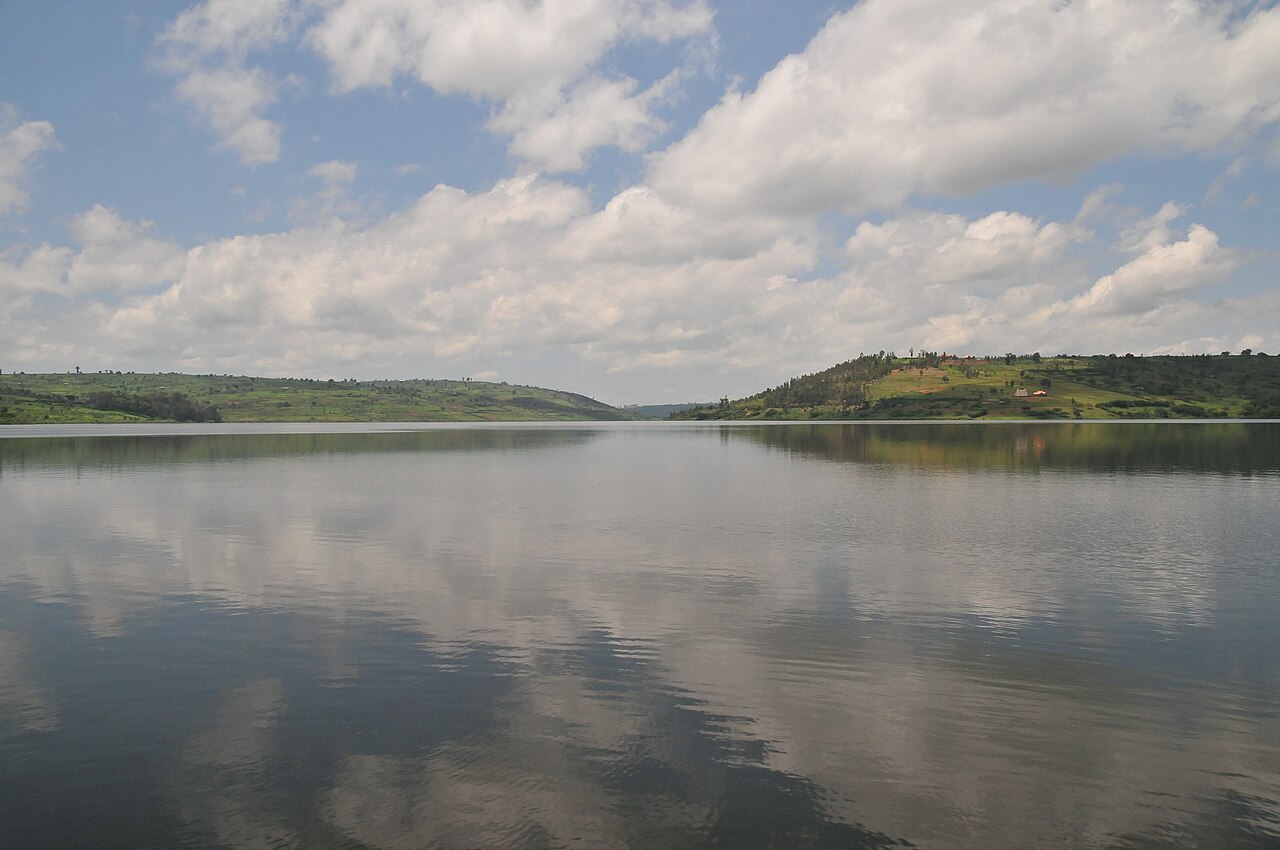
The most common mistake is arriving in Rwanda without a clear purpose. Are you buying a residential plot to build a family home you will use during visits and possibly retire to? A commercial plot for rental income? A lakeside parcel for a future guesthouse or eco-lodge? Each of those goals demands a different location, a different budget range, and a different due diligence path. A plot that is ideal for a family home can be a poor choice for rental yield, and vice versa.
Write down your primary goal and one acceptable alternative before you book anything. For example: primary — a 1,000 sqm residential plot within 30 minutes of Kigali for a family home; alternative — a 2,000 sqm commercial plot along a main road for rental units. Having both written down keeps you focused when a broker shows you something appealing but off-target. It also gives you a benchmark for saying no politely but firmly.
Share this goal statement with your local contact or agent at least two weeks before your trip. A briefed agent can pre-screen listings, arrange viewings in a sensible sequence, and flag plots that do not meet your criteria before you waste a morning driving to them. Preparation on your side makes their work sharper.
2. Set a Realistic Budget in RWF — and Keep a Buffer
Land prices in Rwanda vary sharply by location, road access, and zoning. Plots in well-serviced areas of Kigali or near Lake Muhazi cost significantly more than similar-sized plots in secondary towns, and a plot fronting a tarmac road carries a premium over one that requires a murram or unpaved access track. Diaspora buyers often budget in their home currency — dollars, pounds, or euros — and convert at the last minute. That exposes you to exchange-rate shifts that can quietly erode your purchasing power mid-trip.
Convert your budget to Rwandan francs before you travel and add a 10–15% buffer for price negotiation, survey fees, and unexpected costs. If your total is RWF 30 million, plan to view plots priced at RWF 25–27 million so you have room to negotiate and still cover the extras. Your agent can advise on realistic price bands for your target area before you commit to a flight date.
Keep the buffer genuinely separate from your offer price. Buyers who spend their entire budget on the purchase often find themselves unable to pay for the survey, the boundary marking, or the notary fee that follows — and those costs do not wait.
3. Pre-Shortlist Plots Remotely
Do not arrive empty-handed. Ask your agent to send a shortlist of five to eight plots that match your goal and budget. For each plot, request the location (sector and cell if possible), size in square metres, asking price, road access type, and any known zoning or land-use restriction. A plot inside a designated agricultural zone, for example, is not the same product as one inside a residential zone, even if the two look identical from the air.
Review the shortlist against satellite imagery where available. Google Earth and similar tools let you check proximity to roads, schools, health centres, and neighbouring development. Look for signs of active construction nearby, which often indicates infrastructure already in place, and for large empty parcels, which may indicate land held for speculation rather than use.
Eliminate any plots that clearly do not match your goal before you travel. Narrowing eight candidates down to four serious ones turns a scattered week of driving into a focused comparison, and it means every viewing you do on the ground is a genuine candidate rather than a courtesy call.
4. Verify the Land Title Before You View
Time on the ground is expensive, so resolve the paperwork question before you fly. Ask your agent to confirm that the seller holds a valid land title registered with the Rwanda Land Management and Use Authority (RLMUA). A title check can be done remotely; you do not need to be in Kigali for it.
Request a copy of the title deed or the RLMUA online verification printout. Check three things carefully: that the seller's name matches the name on the title, that the plot size and location match the listing, and that there are no encumbrances such as mortgages, court disputes, or overlapping family claims. Family land disputes are the single most common cause of delayed transfers, and they are far cheaper to discover at this stage than after a deposit has changed hands.
If the title is clean, keep the plot on your list and proceed to a physical viewing. If anything is unclear, ask for clarification in writing. If the seller cannot produce a clean title, remove the plot and ask your agent for a replacement. There is no shortage of titled land in Rwanda — there is only a shortage of patience in buyers who accept an unclear one.
5. Plan Your Viewing Route and Bring the Right Documents
Rwanda's terrain means travel between plots can take considerably longer than a map suggests, especially in rural areas where roads climb and wind. Group your viewings by location: spend one morning on plots near Lake Muhazi, another on plots in Bugesera, a third on the Kigali outskirts. This reduces driving time and lets you compare genuinely similar areas side by side while the impressions are still fresh.
Allow at least 45 minutes per viewing. Walk the plot boundaries rather than viewing from the road, note the terrain and slope, check where water would drain during heavy rain, and observe how neighbouring land is being used. Take photos and short videos, including one continuous clip walking the boundary. That footage becomes the reference material you rely on when you return home and must make a final decision from memory.
For the paperwork, bring your passport and, where applicable, proof of diaspora status or residency. To transact, you will need a tax identification number (TIN) from the Rwanda Revenue Authority, which your agent can help you obtain on arrival, and a power of attorney if you plan to complete part of the transaction remotely after you leave. If you are buying jointly with a family member abroad, bring signed consent documents or a draft co-ownership agreement. Rwandan law permits foreign ownership, but incomplete paperwork stalls a transfer, and a stalled transfer can cost you the plot if another buyer is ready to proceed.

6. Understand the Timeline and Appoint a Local Representative
A straightforward land purchase in Rwanda — clean title, agreed price, both parties present — typically takes four to eight weeks from initial offer to title transfer. If you are visiting for one week, you will probably not complete the full transaction during that week, and that is normal. Plan to view plots, select your preferred one, negotiate the price, sign a reservation agreement or letter of intent, and pay a deposit. The remaining steps — survey, notarisation, title transfer — can be handled remotely through a representative you appoint.
That representative is essential. Choose your agent, a lawyer, or a trusted family member, and grant them a limited power of attorney specifying exactly what they may do — sign the deposit receipt, approve the survey, transfer funds from your RWF account — and what requires your direct approval. A clear written authority protects both of you and lets the process keep moving while you are back abroad, instead of stalling on a sign-off that has to cross time zones.
Ask your agent to outline the full timeline in writing before you commit. Knowing what happens in week five and week seven removes most of the anxiety of buying remotely.
7. Budget for Post-Purchase Costs
The purchase price is only the beginning. Once you hold the title, you will need to budget for the survey and boundary marking, notary fees, title transfer tax, and — if you are securing the plot — fencing or a boundary wall. If you plan to build, add architectural drawings, construction permits, and utility connections for water, electricity, and access. For a residential plot, these post-purchase costs can add roughly 5–15% to your total outlay depending on location and how much site work the land needs.
Ask your agent for a written estimate of these costs before you buy, not after. A realistic total cost — purchase price plus post-purchase expenses — lets you compare plots on a like-for-like basis. Two plots can look similar in asking price and be very different in total cost once access roads, drainage work, and utility connections are counted honestly.
8. Make Your Decision and Document It
By the end of your trip, you should have a clear first choice and a documented reason for making it. Write down the plot location and size, the agreed price, the two or three decisive reasons you selected it — proximity to a paved road, clean title, price comfortably inside budget — and the next steps with dates attached. Share that document with your agent and keep your own copy.
A written decision record prevents miscommunication, gives you something concrete to review calmly at home, and provides a reference point if questions arise weeks later. It also protects you from the slow slide of second-guessing that remote buyers often experience once the trip excitement fades and the distance reasserts itself.
If you are planning a buy property in Rwanda diaspora trip in 2026, start with a clear goal, a verified shortlist, and a local contact who is already briefed on what you want. The buyers who close quickly and safely are almost always the ones who arrived prepared.
Contact John Twahirwa at +250 722 265 072 or easygofirstltd@gmail.com to discuss your goal, receive a pre-screened shortlist, and plan an efficient viewing schedule for your visit. First And Easy Go Ltd handles plot verification, price negotiation, and full transaction support for diaspora buyers — remotely and on the ground.
Comments
Post a Comment